
Best Time To Visit Turkey: Seasons, Festivals, And Travel Guides
Recent Posts

Cheap Flights from Pakistan: Airlines, Routes & Hidden Deals
Best Time To Visit Turkey: Seasons, Festivals, And Travel Guides
Top Places To Visit In Dubai; Best Attractions And Travel Tips
Umrah Guide For First Timers From Pakistan: Visa, Packing, Cost
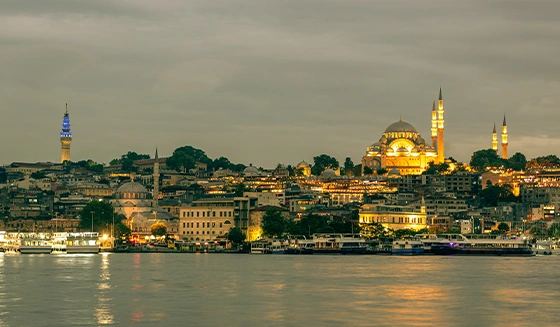
Turkey is a captivating country where the ancient and modern worlds meet, positioned at the crossroads of Europe and Asia. With a history spanning thousands of years, Turkey offers travelers an extraordinary tapestry of cultural richness. In addition, it offers breathtaking landscapes and diverse experiences. From the bustling metropolis of Istanbul to the surreal rock formations and underground cities of Cappadocia, Turkey invites exploration across its vibrant cities, Mediterranean and Aegean coastlines, and rugged hinterlands.
Understanding the best time to visit Turkey can help maximize the experience. Travellers can enjoy favorable weather, local festivals, and avoid crowds. Each season brings unique opportunities to visit Turkey’s beauty, culture, and hospitality, making travel planning an essential first step for any visitor.
Understanding Turkey’s Seasons
Turkey’s geography stretches across diverse climates, but it generally experiences four seasons. Each season paints a different picture of the country, from blooming flowers in spring to snowy mountains in winter. Therefore, when planning a Turkey tour from Pakistan, it is important to know what the selected season will offer you.
Spring (March to May)
Spring is one of the best time to visit Turkey as it is the most magical time to explore the country. The weather begins to warm, with mild temperatures typically ranging from 15°C to 25°C, inviting travelers to enjoy both cultural sites and natural beauty. This is the season when Turkey bursts into a riot of colors, thanks to the famous tulip blooms in Istanbul’s parks like Emirgan Park.
Festivals and Sightseeing
Several festivals take place in spring, making it a captivating time to visit. The Istanbul Tulip Festival, held every April, transforms the city into a vibrant flower garden celebrated with public displays and cultural events. Additionally, the Newroz celebrations, marking the Kurdish New Year, feature traditional music, dance, and community gatherings. The Mesir Macunu Festival in Manisa showcases ancient folk traditions and offers visitors a taste of the sweet herbal paste said to have healing powers.
Spring is ideal for cultural sightseeing and outdoor activities such as hiking the trails of Cappadocia or exploring the ancient ruins of Ephesus without the summer crowds.
Summer (June to August)
Turkey tour packages in Summer promise hot weather, especially in Turkey’s coastal regions along the Mediterranean and Aegean Seas. Temperatures rise between 28°C and 35°C. If beach holidays and water sports are what travelers seek, summer is perfect for lounging on Antalya’s golden beaches. In addition, bailing off Bodrum, or swimming in the turquoise waters of Fethiye.
Festivities
Beyond the beaches, summer bursts with vibrant festivals. One of the most famous is the Kirkpinar Oil Wrestling Festival in Edirne, where wrestlers compete in a centuries-old tradition. Moreover, another cultural highlight is the Cappadox Festival in Cappadocia, combining music and contemporary art. Istanbul Music Festival also takes place in early summer, offering world-class concerts in historic venues.
Summer also brings the peak tourist season, leading to crowded attractions and higher prices in popular cities. Travelers looking to experience lively celebrations and the warmth of Turkish summers may find this the most exciting season.
Autumn (September to November)
Autumn is widely regarded as the best overall time to visit Turkey. The weather cools off to comfortable levels, usually between 15°C and 25°C. It is also the best time to visit Turkey and explore cities, archaeological sites, and natural wonders. This season also marks the grape harvest and other agricultural festivities.
Festivals
Cappadocia’s Grape Harvest Festival is a highlight in early autumn, featuring local wine tasting and traditional music. The Cappadox Festival often extends into September, blending art and culture with the stunning local terrain. In Istanbul, the International Film Festival in October showcases a blend of global cinema and Turkish film, appealing to culture lovers.
Autumn’s mild weather also extends the beach season along the southern coast, as the sea remains warm for swimming. It’s a great time to avoid summer crowds while still enjoying outdoor adventures and cultural events.
Winter (December to February)
Winter transforms Turkey into a peaceful, cozy retreat. Cities like Istanbul and Ankara take on a festive atmosphere with winter markets, traditional desserts, and fewer tourists. The weather is colder, ranging from 5°C to 15°C in most places. In addition, snow blankets inland regions such as Cappadocia and Uludağ, providing winter sports like skiing and snowboarding.
This quiet season is perfect for travelers seeking to explore historic sites without crowds and enjoy festivals like the Ankara International Film Festival. While coastal areas are much quieter, the snowy landscapes of eastern Turkey offer a unique and beautiful experience.
Key Turkish Festivals by Season
Turkey’s cultural calendar is filled with lively festivals that celebrate its heritage, arts, and local traditions. Therefore, when planning for a Turkey tour, choose which festival you would like to watch.
Spring
Istanbul Tulip Festival, Newroz Celebrations, Mesir Macunu Festival
Summer
Kirkpinar Oil Wrestling (Edirne), Cappadox Festival (Cappadocia), Istanbul Music Festival
Autumn
Grape Harvest Festival (Cappadocia), Cappadox Festival continuation, Istanbul Film Festival
Winter
Ankara International Film Festival, Winter markets, Skiing festivals in Uludağ and Cappadocia
These festivals provide travelers opportunities to immerse themselves in authentic Turkish culture, enjoy music, food, and arts, and witness local customs celebrated with joy and pride.
Travel Tips and Guides for Visiting Turkey
The following are a few tips for the best time to visit Turkey:
- For beach lovers and festival goers, summer is ideal; for cultural explorers and outdoor adventurers, spring and autumn are best.
- Especially during peak summer and major festivals, early booking ensures better prices and availability.
- The climate can differ widely; coastal areas get very hot in summer, while eastern regions remain cold even in spring and autumn.
- Try seasonal specialties at food festivals or local markets, depending on the time of year.
- Popular sites like Hagia Sophia, Cappadocia, and Pamukkale draw tourists all year, but spring and autumn see fewer crowds.
In The End
The best time to visit Turkey depends on what travelers most want to experience. Spring and autumn (April to June and September to October) offer mild weather, fewer tourists, and scenic beauty ideal for cultural and outdoor exploration.
Summer is perfect for beach vacations and lively festivals, but it comes with higher temperatures and busy crowds. Winter suits those who appreciate a quiet travel pace, winter sports, and festive atmospheres in cities and mountainous regions.
Why Wania Travels And Tours?
At Wania Travel and Tours, we see travel as an opportunity to rejuvenate both body and soul. Our mission is to design personalized journeys that capture your individuality, highlight your passions, and complement your lifestyle. From the smallest detail to the grandest experience, we strive to create tours leaving you with unforgettable memories that last a lifetime.
Frequently Asked Questions (FAQs)
Visa requirements depend on your nationality. Many countries' citizens require an e-Visa, which can be applied for online before arrival. Some cruise passengers can enter visa-free for short durations. It's best to check Turkey’s official visa website or local Turkish consulate for specific rules.
Turkey is generally a safe destination. Incidents of violent crime are low, but travelers should always exercise precautions against petty crimes. These often include pickpocketing, especially in crowded tourist areas. It’s advisable to stay informed about local conditions and avoid risky areas at night.
Turkish dress is largely westernized, but modest clothing is recommended, especially when visiting religious sites like mosques. Women are not required to wear headscarves unless entering a mosque, where scarves are often provided. Comfortable clothing suitable for the season and cultural respect is advised.